The Palmetto State finished No. 19 in the 2024 America’s Top States for Business list released by cable news network CNBC. That’s up from a No. 27 finish in 2023 — and far better than its 36th-place showing two years ago and its No. 39 ranking in 2021.
CNBC gave South Carolina grade A scores in several categories, citing its low corporate tax rate and utility costs and the increasing value of goods shipped by air, water, roads and rail.
Last year SC had $9.22 billion in economic development announcements. The Port of Charleston also helped boost South Carolina’s standing as it contributes an $87 billion economic impact each year.
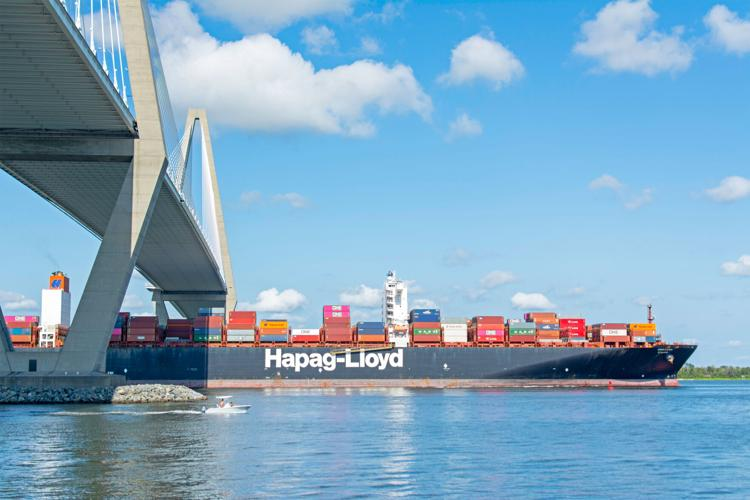
Charleston Port is the country’s eighth-busiest seaport and is boasted as the deepest harbor on the East Coast, efficiently working mega container ships.
Lennar, The homebuilder behind Summers Corner, a master-planned community in Summerville, has introduced designs for the $30 million Club at Summers Corner.
The aquatic amenity at the corner of Clayfield Trail and Summers Drive will have 2 acres of water with four swimming areas, restaurants, water slides, an adults-only tiki hut bar with TV’s and kid-friendly areas with shallow water, mini-slides, waterfalls and splash pads. The aquatic amenity will also feature “Beachside Bay” which rounds out the pool amenity with a more relaxing vibe, with a zero entry (gradual slope) and possibly even some sand.
The future club pool, coming online at the earliest next summer, has something for everybody to beat the heat, said Jason Byham, Lennar’s division president.
Upon opening, the amenity will be residents-only, but Byham noted there’s potential to let nonresidents in for a fee down the line.
Post and Courier recently reported that South Carolina could grow to nearly 6.4 million residents by 2042 based on the state’s latest projections . The bulk of this growth is projected to be in 5 S.C. counties.
Five counties could see their populations increase by 49 percent or more from 2024 to 2042.
Horry County tops the list with an expected gain of 216,662 additional residents, which means a 53 percent population increase.
Berkeley, Jasper, Lancaster and Spartanburg counties are expected to see gains between 49 and 51 percent.
The five counties are expected to see more than 80 percent of the statewide population growth. The projected increases in population are: Horry, 216,662; Spartanburg, 179,078; Greenville, 153,555; Berkeley, 130,232; and York, 119,111.
Every county touching the Atlantic Ocean is expected to gain residents. At the north end of the coast and home to Myrtle Beach and Conway, Horry County has been among the nation’s fastest-growing places for many years and would be South Carolina’s fastest-growing county.
The tri-county Charleston metro area is expected to have more than 1 million residents in 2042, with the two inland counties — where there’s more undeveloped land — leading the gains. Berkeley County’s population could account for more than 70 percent of the growth, while the populations of Charleston and Dorchester counties are projected to increase by 8 and 11 percent, respectively.
Down the coast, the ever-growing Hilton Head/Beaufort/Bluffton area in Beaufort and Jasper counties could gain more than 45,000 residents.
South Carolina’s population was the most rapidly growing in the nation in 2023. The state had a slightly negative birth rate, with more deaths than births, so the population increase was entirely due to people moving to the state.
The state’s projections use existing data and trends to look ahead nearly 20 years, and assume growth follows patterns seen today. Of course, those patterns could change.
Area businesses are struggling to recruit new staff due to housing costs and some are taking matters into their own hands.
The Post and Courier recently reported that Cynthia Feldman of Sweetgrass Pharmacy who has looked for job applicants across South Carolina and into Georgia, stated. “The number one thing they all said is it’s too expensive to live here,”
The owner of Sweetgrass Pharmacy is now purchasing three townhomes in Twin Rivers Towns, just across the Wando River from Mount Pleasant. The homes start in the mid-$300,000 range. She will rent them to staff at below market rates and is considering buying more.
Likewise, Roper St. Francis Hospital is now soliciting proposals to build housing on its campus in northern Mount Pleasant to offer as an affordable solution. “The need is so pervasive,” said Roper’s interim CEO Megan Baker. “We do have a sense of urgency that’s palpable.”
Sweetgrass and Roper could be the first Charleston-area businesses to decide to buy or build housing in order to hire and retain employees, but they likely won’t be the last.
To be considered affordable, the cost of housing should not exceed 30 percent of one’s income. An annual income of $55,000, would translate to a monthly target housing cost of no more than $1,375, which is an amount that is getting harder to achieve.
In the tri-county area, the federal Department of Housing and Urban Development now considers a salary of $58,900 yearly to be “low income.” To put that in perspective, In 2023 The SC Department of Employment and Workforce reported that the average annual wage across all occupations in South Carolina was $54,250 (based on 2,080 hours of work in a year at an hourly rate of $26.08). This was up $3,600 from the average salary of $50,650 in 2022, a 7.1 percent gain.
“As residents are required to live further away from the communities in which they work and engage, more cars are on major roads for longer amounts of time, leading to increased traffic across the region,” the Charleston Metro Chamber of Commerce said in April. “As individuals and families spend more than 30 percent of their income on housing expenses, less money is available to be spread across businesses in our region.”
“It’s taken a while for the business community to come around, but they are aware that housing is a workforce issue,” said Josh Dix, who handles advocacy for the Charleston Trident Association of Realtors and chaired Charleston County’s housing task force.
500 N. Main Street is one of the largest tracts of land (5.3 acres) in Downtown Summerville that holds a zoning designation of D-MX (Downtown Mixed-Use), and the County has long recognized the potential of this site and contemplated a redevelopment plan for about four years.
The 5.3 acre site sits at an important crossroads – The corner of U.S. Highway 17A (North Main Street) and U.S. Highway 78 (East 5th North Street). The site is about five blocks from Hutchinson Square, the town’s current gateway and historic core.
Since this site could become the new gateway to Summerville, much thought and planning has been put into the development plans. The site is proposed to include a park, veteran memorial. historical portico, and landscape and streetscape improvements with on grade parking for local businesses.
On March 4, 2024, County Council approved the purchase and sale agreement with Dorchester Investors, LLC., and the agreement was executed on March 13, 2024. Dorchester Investors, LLC is currently working to secure approvals and permits from the Town of Summerville Development Review Board.
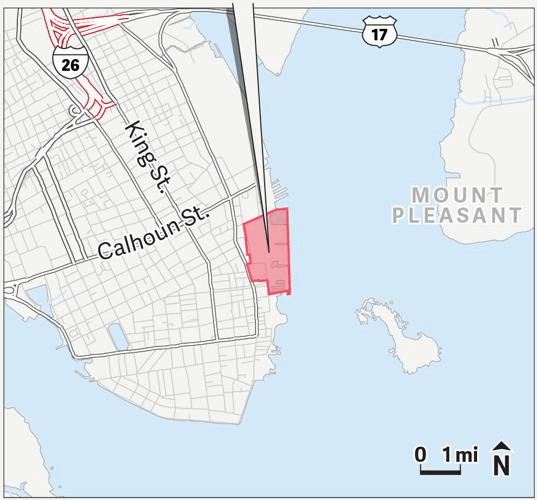
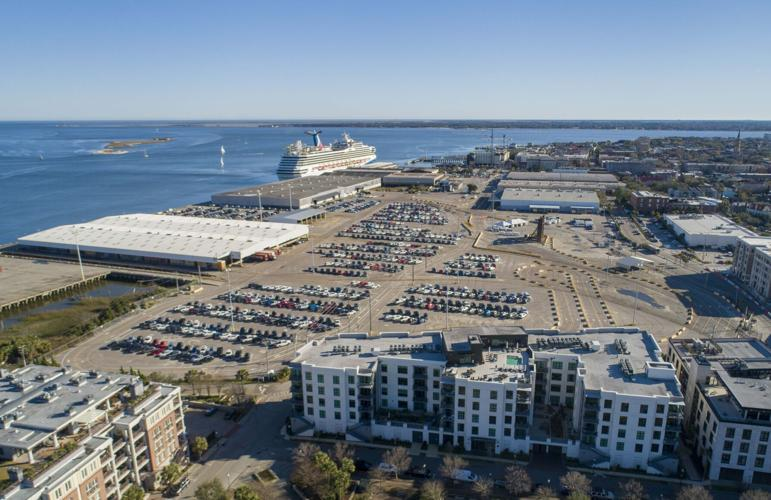
On March 19 2024, the State Ports Authority board approved the sale of Union Pier to a local billionaire businessman, Ben Navarro, The site is roughly 65-acres of waterfront property and is one of the most sought-after redevelopment properties on the East Coast.
The Union Pier site is located between Concord and Laurens streets, near the Historic District, and is on one of the peninsula’s most valuable pieces of property. The development of the parcel could be transformative for one of America’s oldest cities.
Financial terms of the Union Pier Sale won’t be released until the deal closes. But Bill Stern, chairman of the SPA;s board, said the deal is the best possible outcome for what he calls “probably the most valuable piece of oceanfront property on the East Coast” and something that will be “the center piece of downtown Charleston.” – reports the Post and Courier
Bill Stern also stated, about Ben Navarro, that “He has the ability to pull this off” and that “He wants to work with the city of Charleston. He wants to work with the Mayor. He wants to do what’s right for the people of Charleston. He’s going to put the resources into doing this right. That’s why we made this deal.”
Ben Navarro is the founder of Charleston-based Sherman Financial Group — which owns Credit One Bank — and Beemok Hospitality Collection — a family-owned operation with a portfolio that includes downtown Charleston properties such as The Charleston Place, the Riviera Theater, the Italian bistro Sorelle and The Cooper, a riverfront hotel under construction between Union Pier and the Joe Riley Waterfront Park.
Once the sale is completed, proposed plans could include high-density mix of condominiums, office space and retail, along with some parks, green space and waterfront access, but any redevelopment plans will require significant city input regarding zoning and code changes, environmental cleanup and more. The site will continue to serve as the port of embarkation for Carnival Cruise Line until the end of the year.
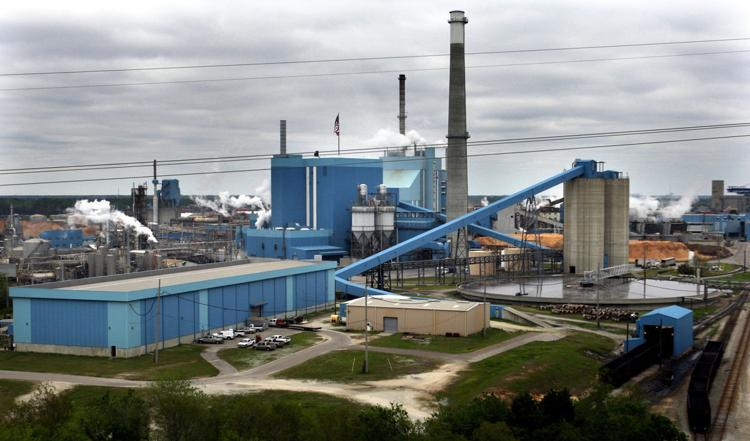
Additionally, The State Ports Authority will more than double the size of its North Charleston Terminal by purchasing the neighboring former WestRock paper mill property, giving the Port of Charleston enough room to grow through at least the middle of this century, the maritime agency said March 19.
The 280-acre WestRock property will give the terminal a 481-acre footprint and the capacity to handle 5 million shipping containers per year. That’s more than twice the capacity of the Wando Welch Terminal in Mount Pleasant, currently the SPA’s largest
The purchase price is $105 million, which also includes additional acreage WestRock owns in Berkeley County that is not waterfront.
Recognized as the No.1 master-planned community in the U.S. by the National Association of Home Builders (NAHB), Nexton is currently one of the Top 30 best-selling communities in the nation and has surpassed its 3,000th home sale in February 2024.
Nexton’s four unique neighborhoods feature local and national builders and include a diverse array of homes including villas, townhomes, cottages and single-family homes, with home prices ranging from $300,000 to over $1 million with an average home price of approximately $500,000.
Nexton has established itself as a live-work-play destination that features dining, shopping, services and hospitality. Nexton has delivered over 500,000 square feet of office space, attracting thousands of jobs, all in a walkable and bikeable environment adjacent to I-26.
Nexton also offers conveniences such as sought-after schools, grocery stores, modern infrastructure, 20 miles of trails and 2,000 acres of green space and high-quality apartment communities.
The $510 million land deal for the undisclosed business that I posted about in October 2023 has been revealed. Internet giant Google confirmed Feb. 15 that it is planning to build a $510 million data center at the Pine Hill Business Campus west of Summerville — the company’s second in the Charleston region.
The project has received historic tax breaks from Dorchester County and a discount electricity deal from Dominion Energy. Google also has not said when it will begin construction or how many jobs it will create at the 231-acre site along Highway 17A.
The Pine Hill data center will join another that the company completed in 2007 at Mount Holly Commerce Park off Highway 52 near Moncks Corner in neighboring Berkeley County.
Google, going by the aliases Project Evergreen and Gannett Enterprises LLC, has also purchased 206 acres for a proposed third data center near the county’s Winding Woods Commerce Park along Highway 78. The company said it only plans to develop the Pine Hill project for now but will hold onto the other land near the town of St. George for potential future needs according to business demands.
The sale of the properties had not been recorded with the Register of Deeds as of Friday (2-16-24)
Members of Dorchester County Council have said the Pine Hill data center is expected to generate about $2 million a year in new revenue and they have praised Google’s community involvement, including providing free laptops to local schools.
According to the latest report from Zillow, reported by Globalflare, the state of South Carolina was recently ranked as the #1 state in America for selling the most homes per capita.
The Palmetto State is currently experiencing an impressive rate of 77.30 homes sold for every 100,000 residents. Over the course of the last month, a total of 4,071 houses and apartments changed hands, with an average selling price of $301,659.
Methodology: Zillow was checked to see recently sold houses and apartments over the last 30 days across America.
Charleston Area Regional Transportation Authority’s (CARTA) plans to build a park-and-ride facility at the fairgrounds. This park-and-ride facility is a part of CARTA’s Lowcountry Rapid Transit Plan – the first-ever large-scale transportation project in the region.
CARTA Chairman Mike Seekings, says this $600 million plan is the result of over a decade of regional planning. If plans go through, the facility will take up about six acres of the 180 acres available for parking on the fairgrounds.
Mike Jernigan, a member of the Exchange Board as well as the former president of the Coastal Carolina Fair, says that their initial discussions with CARTA were about leasing an acre to an acre and a half of land for a bus stop, but he said that CARTA wanted more land to either purchase or take by eminent domain.
Seekings is surprised by this response. He says that they spoke with the leadership of the fairgrounds early in the process and have had conversations over many years about this area of land.
Officials with the Coastal Carolina Fair say that their issue is not the size of the facility, though, but the location. The park-and-ride facility would be located in lot 2A of the fairgrounds which is adjacent to Highway 78 and Gate 2 – one of the major entrances of the fairgrounds.
“We feel like supporting public transportation is a good thing. We’re not opposed to that in any way,” Jernigan says. We just feel like this location is the wrong location. That there are other options that are available adjacent to our property, or even at a different place on our property, but not to take our prime parking spot.”







 Real Estate Matters in Charleston SC - Gena Glaze